Home Improvement
Does Your Home Need an Electrical Panel Upgrade? Signs, Capacity Issues, and When to Call an Electrician

The electrical panel is one of the most important parts of your home’s electrical system, but it is also something most homeowners rarely think about.
As long as the lights turn on, the air conditioning works, and appliances have power, it is easy to assume the electrical system is doing exactly what it should.
But homes have changed dramatically.
Modern households may have multiple televisions and computers, high-powered kitchen appliances, home offices, central air conditioning, pool and spa equipment, security systems, EV chargers, smart-home technology, and increasingly, electric appliances that previously may have used natural gas.
In many older Los Angeles and Orange County homes, the electrical system was designed long before homeowners expected it to support this level of demand.
Does that automatically mean an older home needs a new electrical panel? No.
But there are situations where having the panel and overall electrical system evaluated makes sense.
Here are some of the most common signs and circumstances homeowners should understand.
What Does Your Electrical Panel Actually Do?
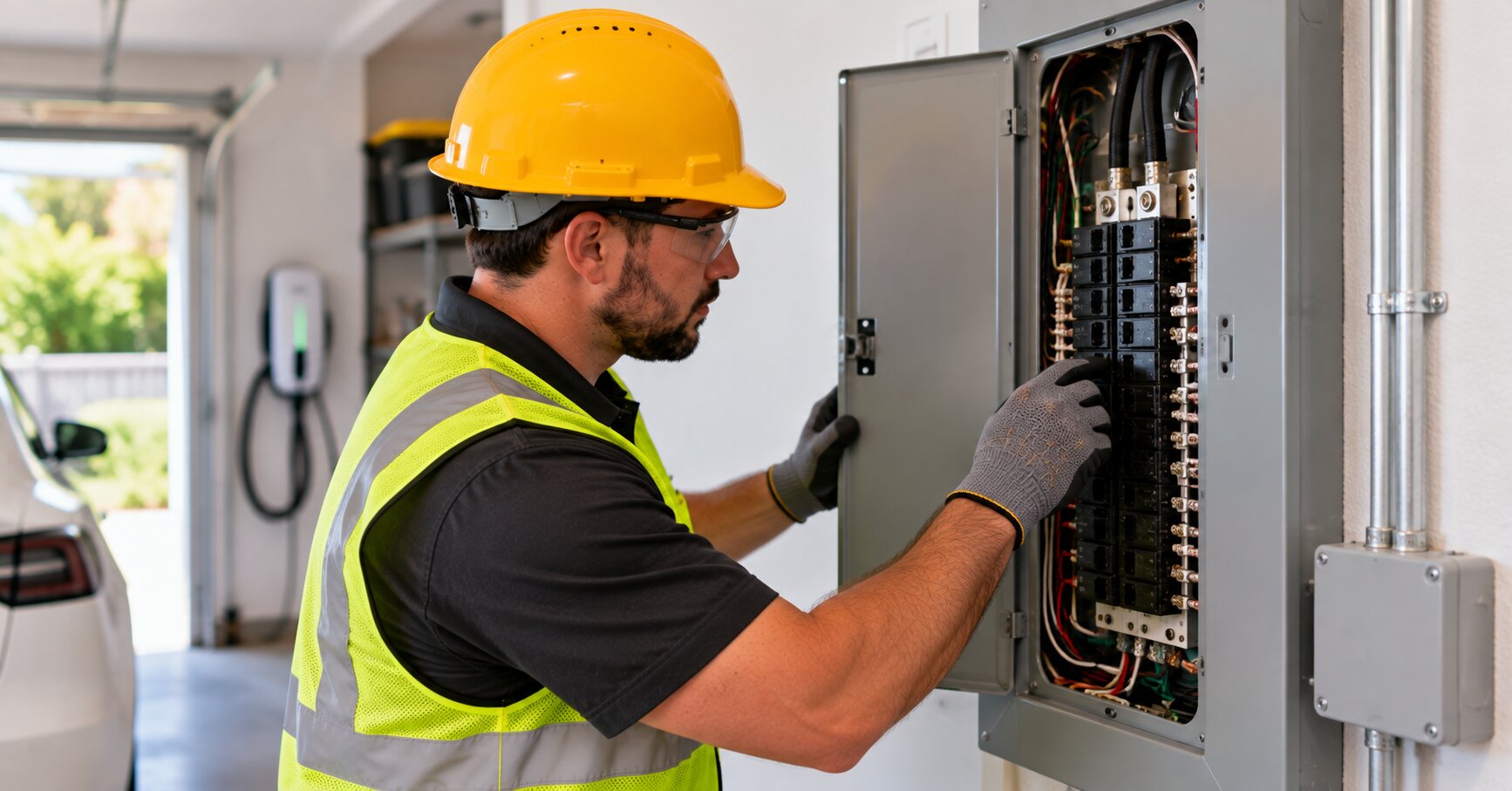
Think of the electrical panel as a central distribution point for electricity entering the home.
Inside the panel are circuit breakers associated with different electrical circuits throughout the property. Those circuits provide power to lighting, outlets, appliances, HVAC equipment, and other electrical loads.
Circuit breakers also provide important protection by interrupting electrical flow under certain conditions.
As homeowners add more electrical equipment, remodel rooms, build additions, or change how the property is used, the electrical system may be asked to support considerably more than it did when the home was originally constructed.
That is one reason panel capacity should be considered as part of the larger electrical system rather than looking only at the age printed on a piece of equipment.
Sign #1: Your Circuit Breakers Keep Tripping
A circuit breaker occasionally tripping does not automatically mean your electrical panel needs to be replaced.
In fact, immediately recommending a panel replacement without determining why a breaker is tripping can overlook the real problem.
Recurring breaker trips may potentially involve:
- An overloaded circuit
- A problem with connected equipment
- A wiring issue
- A breaker problem
- An electrical fault
- Increased demand on a particular circuit
- Another electrical condition requiring investigation
The important word is recurring.
If you are regularly resetting the same breaker, there is a reason it is happening.
Instead of continuing to reset it, have an electrician determine what is causing the problem.
A residential electrical inspection in Los Angeles or Orange County can help determine whether the issue is isolated to a particular circuit or whether the electrical panel and broader system deserve additional attention.
Sign #2: Your Panel Has Little or No Room for Additional Circuits
Electrical panels have physical and electrical limitations.
If you’re planning to add equipment that requires a new circuit but the existing panel has little or no appropriate space available, the panel may need to be evaluated as part of the project.
This often comes up when homeowners are considering:
- Kitchen renovations
- EV chargers
- HVAC upgrades
- Room additions
- ADUs
- Garage conversions
- Electric water heaters
- Electric cooking equipment
- Pool or spa equipment
- Workshop equipment
Available breaker space is only one part of the equation.
An electrician also needs to consider the home’s electrical service, existing loads, proposed equipment, and overall system configuration.
Simply seeing an open space in a panel does not necessarily tell you whether additional electrical demand can be supported.
Sign #3: Your Electrical Panel Is Older
Age is a reason to pay closer attention to an electrical system, but it is not a diagnosis.
Southern California has a large inventory of older homes. Many of these properties have undergone decades of changes.
Previous homeowners may have remodeled kitchens, added air conditioning, built additions, converted garages, installed pools, upgraded appliances, or changed the electrical system in other ways.
Some older homes may already have received substantial electrical improvements.
Others may still contain electrical infrastructure that has been modified repeatedly over the years.
Instead of assuming an older panel must automatically be replaced, an electrician can evaluate its condition, configuration, capacity, and relationship to the rest of the home’s electrical system.
That provides a much better basis for deciding whether a residential electrical panel upgrade in Los Angeles or Orange County should be considered.
Sign #4: You’re Planning a Major Kitchen Remodel
A kitchen remodel can substantially change a home’s electrical requirements.
Modern kitchens may contain:
- Refrigerators
- Dishwashers
- Microwaves
- Electric ovens
- Induction cooktops
- Range hoods
- Wine refrigerators
- Garbage disposals
- Under-cabinet lighting
- Countertop appliances
- Specialty cooking equipment
If you’re opening walls, changing appliances, adding lighting, and modifying the layout, it is a good opportunity to evaluate the existing electrical infrastructure before construction progresses too far.
The question isn’t simply whether the current kitchen works.
The better question is whether the electrical system can appropriately support the new kitchen you are building.
This is why involving an electrician during the planning stage can be valuable.
For Orange County homeowners, an experienced electrical contractor Orange County can evaluate existing infrastructure and help determine what electrical work should be incorporated into the renovation.
Sign #5: You’re Adding an EV Charger
Home EV charging is one of the clearest examples of how residential electrical demand is changing.
A Level 2 charger can represent a significant new electrical load.
Before installation, an electrician may need to consider:
- Existing electrical service
- Panel capacity
- Available breaker space
- Current household demand
- Charger specifications
- Proposed charger location
- Other major electrical loads
- Future electrical plans
This does not mean every homeowner purchasing an EV needs a new electrical panel.
Some homes may already be equipped to support the desired charging equipment.
Others may require changes.
The purpose of evaluating the system first is to determine which situation applies to your home.
Homeowners should also think beyond the first EV. If a household expects to own two electric vehicles eventually or is simultaneously considering other electrical upgrades, those plans may be worth discussing with the electrician.
Sign #6: You’re Replacing or Adding HVAC Equipment
Heating and cooling equipment can represent a major portion of household electrical demand.
When replacing an existing system or installing additional equipment, homeowners often focus on efficiency, comfort, and the cost of the HVAC equipment itself.
But electrical requirements also deserve consideration.
Depending on the project, new equipment may have different electrical requirements from what it replaces.
If you’re making a significant HVAC change, especially in an older property, evaluating the electrical system can help determine whether additional electrical work should be incorporated into the project.
Sign #7: You’re Building an ADU or Home Addition
An ADU can function almost like adding another small home to your property.
Depending on the design, it may include:
- A kitchen
- Bathroom
- HVAC
- Water heating
- Lighting
- Receptacles
- Laundry equipment
- Cooking equipment
- Other dedicated electrical loads
A room addition or garage conversion may also introduce substantial new electrical requirements.
This is why electrical planning should occur early.
Waiting until construction is well underway to determine whether the existing electrical system can support the new space can create unnecessary complications.
An electrical contractor can evaluate the existing system alongside the proposed improvements and determine whether panel-related changes, new circuits, or other electrical work should be considered.
Sign #8: Your Home’s Electrical Demand Has Simply Changed
Sometimes there isn’t one major project that triggers an electrical upgrade.
Instead, demand increases gradually.
Over the years, homeowners may add:
- Another refrigerator
- More computers
- Home-office equipment
- Larger televisions
- New air conditioning
- Outdoor entertainment areas
- Pool equipment
- Electric appliances
- EV charging
- Workshop equipment
- Additional lighting
Each improvement may seem relatively independent.
Collectively, however, the way the home uses electricity may be very different from how it did 20 or 30 years ago.
If the electrical system has never been evaluated despite substantial changes to the property, an inspection can help establish where things stand today.
Warning Signs That Deserve More Immediate Attention
Capacity planning is one reason to call an electrician. Unusual electrical behavior is another.
Homeowners should pay attention to symptoms such as:
- Repeated breaker trips
- Flickering or dimming lights
- Warm outlets or switches
- Unusual heat around electrical equipment
- Buzzing or crackling sounds
- Burning or unusual electrical odors
- Intermittent power
- Outlets that suddenly stop working
- Visible damage to electrical components
These symptoms don’t necessarily prove that the electrical panel itself is the problem.
They indicate that the cause should be investigated.
If there is smoke, sparking, a burning odor, or evidence of active overheating, the situation may require more immediate attention rather than waiting for a routine appointment.
Panel Upgrade or Electrical Repair? Don’t Guess
One of the most important things homeowners should understand is that an electrical symptom does not automatically identify the solution.
Suppose a breaker keeps tripping.
Replacing the entire electrical panel without investigating the circuit would be premature if the actual problem is associated with a particular appliance or another component.
Likewise, replacing one breaker may not solve the issue if the larger electrical system is no longer appropriate for the property’s needs.
Diagnosis comes first.
An electrician can evaluate the symptoms, perform appropriate testing, inspect relevant components, and determine what type of work is actually warranted.
That could mean:
- A focused repair
- Breaker replacement
- Circuit work
- Additional troubleshooting
- A dedicated circuit
- Corrective electrical work
- Panel improvements
- A larger electrical upgrade
The recommendation should fit the problem.
What Happens During a Residential Panel Evaluation?
The exact evaluation will depend on the home and the reason for the visit.
An electrician may consider factors such as:
- General panel condition
- Breakers
- Available circuit space
- Visible connections
- Existing electrical loads
- Signs of previous modifications
- Planned appliances or equipment
- Future electrical needs
- The home’s renovation history
- Relevant conditions elsewhere in the electrical system
If the homeowner is planning a project, the electrician can also consider the proposed electrical demand.
This is particularly useful when planning a remodel, EV charger, ADU, HVAC replacement, or another significant improvement.
Experienced electrical contractors in Los Angeles can help homeowners evaluate these factors before deciding whether a major electrical upgrade is appropriate.
Should You Upgrade the Panel Before Remodeling?
In some cases, the best time to address panel capacity is before or during a larger renovation.
That does not mean homeowners should automatically replace a panel whenever they remodel.
It means the electrical system should be evaluated while plans are still flexible.
If electrical improvements will eventually be necessary to support the remodel, coordinating that work with the larger project may be more practical than discovering the issue later.
This is especially relevant for kitchens, additions, ADUs, garage conversions, and projects involving significant new equipment.
Think About Where Your Home Is Going, Not Just Where It Is Today
Electrical planning should consider both current and reasonably foreseeable needs.
Suppose the existing electrical system supports the home today, but over the next few years you plan to:
- Purchase an electric vehicle
- Remodel the kitchen
- Replace gas appliances with electric models
- Build an ADU
- Add HVAC equipment
- Install a pool or spa
Those plans provide useful context when discussing electrical capacity.
It may make sense to consider future requirements while planning today’s electrical improvements rather than approaching each project without considering what comes next.
When Should You Call an Electrician?
You don’t need to know whether you need a panel upgrade before calling an electrician.
That’s the point of the evaluation.
Consider having your electrical system evaluated if:
- Breakers repeatedly trip
- Your panel has limited room for new circuits
- You own an older home with an unclear electrical history
- You’re planning a major remodel
- You’re installing an EV charger
- You’re changing major HVAC equipment
- You’re adding an ADU or additional living space
- Your household electrical demand has increased substantially
- You’re experiencing unusual electrical symptoms
A professional evaluation can help separate issues that require targeted repairs from situations where a larger electrical improvement may make sense.
The Bottom Line: Don’t Upgrade Based on Age Alone
An electrical panel is too important—and a panel upgrade too significant—to base the decision on one symptom or the age of the home alone.
Some older electrical systems may require substantial improvements. Others may have already been upgraded appropriately.
Likewise, a home can develop capacity problems because its electrical needs have changed even when there is no obvious failure.
The right approach is to evaluate the system, understand current and future demand, and make recommendations based on the conditions actually present.
AMTEK Construction works with homeowners throughout Los Angeles and Orange County to inspect residential electrical systems, diagnose electrical concerns, and determine when panel upgrades or other improvements should be considered.
If your home is showing electrical warning signs or you’re preparing for a remodel, EV charger, HVAC upgrade, ADU, or other major project, having the electrical system evaluated early can help you understand what your home actually needs.