Business
Why Yellow Jackets Become a Bigger Problem Around Outdoor Food in July

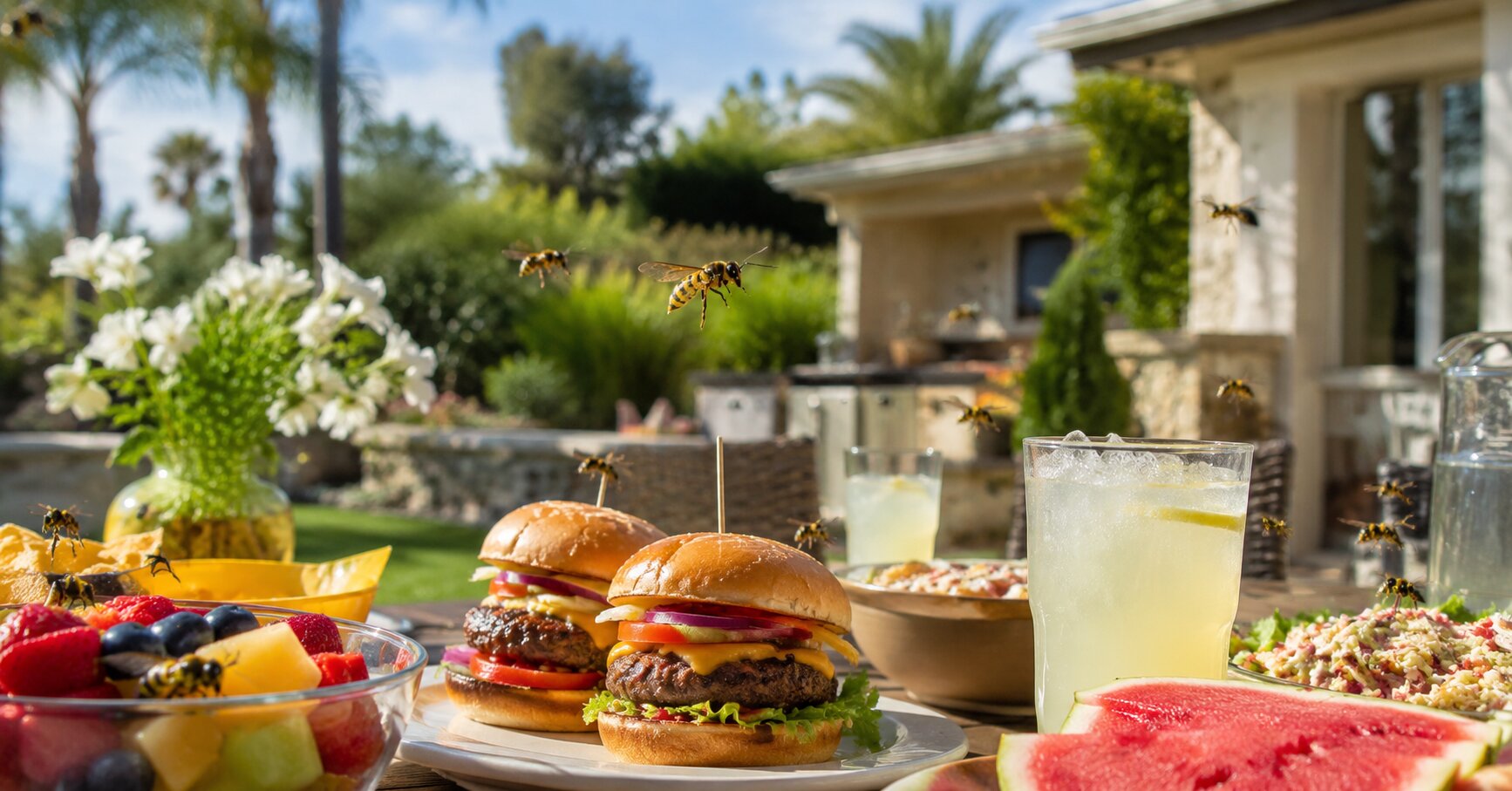
July in Orange County means backyard barbecues, patio lunches, pool parties, outdoor restaurant seating, family picnics, and long evenings spent eating outside. Unfortunately, people are not the only ones interested in hamburgers, fruit, soda, and other summer favorites.
Yellow jackets are among the most persistent uninvited guests at outdoor meals. Although they are frequently mistaken for honeybees, yellow jackets are social wasps with different feeding habits, nesting behavior, and defensive instincts. As their colonies expand through summer, their activity around homes, restaurants, apartment communities, schools, and outdoor gathering areas becomes increasingly noticeable.
Understanding why yellow jackets appear around food in July can help property owners reduce attractants, recognize a nearby nest, and determine when professional removal is necessary.
Why Yellow Jacket Activity Becomes More Noticeable in July
Yellow jacket colonies generally begin in spring when an overwintering queen establishes a new nest. During spring and midsummer, the colony is in an active growth phase. Developing larvae need protein, so worker yellow jackets spend much of their time hunting insects and searching for other protein-rich food.
That is one reason yellow jackets may suddenly appear around:
- Hamburgers and hot dogs
- Grilled chicken
- Fish
- Deli meats
- Pet food
- Grease and food scraps
- Trash and recycling containers
As summer progresses, the colony contains more workers, which means more yellow jackets are leaving the nest to search for food. Later in the season, their interest shifts increasingly toward sugar, making soda, juice, fruit, desserts, and other sweet foods especially attractive.
The University of California Statewide Integrated Pest Management Program explains that yellow jacket colonies grow from spring through midsummer. It also notes that defensive behavior tends to increase as colony populations become larger and natural food becomes more difficult to find. (UC IPM)
July is not necessarily the annual peak of yellow jacket activity, but it is often when homeowners and businesses begin noticing that a few occasional wasps have become a recurring problem.
Yellow Jackets Are Not the Same as Honeybees
A yellow and black insect hovering over a plate is commonly called a bee, but the insect may actually be a yellow jacket.
Honeybees tend to have:
- Hairier bodies
- Muted brown, gold, and black coloring
- A rounder appearance
- A stronger interest in flowers and nectar
Yellow jackets generally have:
- Brighter yellow and black markings
- Smoother bodies
- Narrow waists
- More pointed abdomens
- A strong interest in human food and garbage
Honeybees may occasionally investigate something sweet, but repeated activity around meat, trash, soda, or outdoor meals is more characteristic of yellow jackets. UC IPM identifies scavenging around human food as one of the primary characteristics separating yellow jackets from other common wasps and honeybees.
Because identification can be difficult from a distance, homeowners should not assume every yellow insect needs the same treatment. A professional offering bee removal Orange County services can determine whether the property has honeybees, yellow jackets, paper wasps, or another stinging insect.
Why Outdoor Food Attracts Yellow Jackets
Yellow jackets are opportunistic foragers. A summer gathering can offer several food sources in one small area.
Meat and Protein
During the colony’s growth phase, workers collect protein to feed developing larvae. Grilled meat, pet food, seafood, and food scraps can attract them surprisingly quickly.
This is why yellow jackets have sometimes been nicknamed “meat bees,” even though they are wasps rather than bees.
Soda and Sweet Drinks
Open soda cans, juice cups, cocktails, and sports drinks are powerful attractants. A yellow jacket may crawl inside an open container where it cannot easily be seen.
UC IPM specifically advises covering soda cans outdoors because a hidden yellow jacket may sting the lips, mouth, or throat when someone takes a drink.
Ripe Fruit and Desserts
Cut watermelon, peaches, berries, fruit salad, ice cream, cake, and other sugary foods become more appealing as yellow jackets begin seeking carbohydrates later in summer.
Overripe fruit beneath backyard trees can also create an ongoing food source.
Trash and Recycling
Garbage cans and recycling containers may hold meat residue, soda, fruit, grease, and other strong food odors. An uncovered commercial dumpster or overflowing residential trash can may attract yellow jackets even when no one is actively eating nearby.
Pet Food
Food left outside for dogs or cats is another common attractant. Even an empty bowl may contain enough residue to bring foraging yellow jackets back repeatedly.
Once yellow jackets locate a reliable food source, they may continue searching the same area after the original food has been removed.
Why This Matters for Orange County Homes
Outdoor living is part of daily life throughout Orange County. Patios, pools, outdoor kitchens, balconies, and backyard dining areas create many opportunities for people and yellow jackets to cross paths.
A few foraging yellow jackets around food do not always mean the nest is on the property. Workers may travel away from the colony while searching for food. However, repeated traffic in one direction may reveal a nearby nest.
Watch for yellow jackets flying directly in and out of:
- A hole in the ground
- An abandoned rodent burrow
- A gap beneath a roofline
- A wall opening
- An irrigation box
- A utility enclosure
- Dense shrubs
- A crack beside a patio or walkway
Yellow jackets commonly establish colonies underground or inside protected structural cavities. Nests inside walls and ceilings can eventually damage drywall and create openings that allow insects to enter occupied rooms.
Homeowners dealing with repeated stinging-insect activity should use a qualified bee and wasp removal company rather than spraying insects individually. Killing a few foraging workers will not remove a hidden colony containing hundreds or thousands of yellow jackets.
Why Outdoor Food Creates a Bigger Commercial Problem
Yellow jackets around a private backyard are frustrating. Around a restaurant, school, shopping center, hotel, apartment community, or workplace, the problem can affect many people at once.
Commercial properties may have several attractants:
- Outdoor dining tables
- Concession stands
- Employee break areas
- Dumpsters and recycling bins
- Shared barbecue areas
- Swimming pools
- Pet stations
- Landscaping with fallen fruit
- Food deliveries
- Grease and waste-storage areas
A single nest near a restaurant patio or apartment walkway can create complaints, disrupt operations, and expose customers, tenants, employees, or students to stings.
Businesses should establish a simple response procedure:
- Keep people away from suspected nesting areas.
- Temporarily close the affected section when necessary.
- Do not allow employees to spray or knock down the nest.
- Record where insects are entering and leaving.
- Contact a company specializing in commercial bee, wasp, and yellow jacket removal in Orange County.
Prompt evaluation is especially important when the activity affects an entrance, outdoor dining space, playground, loading area, work zone, or other location that cannot easily be avoided.
How to Reduce Yellow Jackets Around Outdoor Meals
Property owners cannot control every yellow jacket flying through the neighborhood, but they can make the immediate area less attractive.
Keep Food Covered
Use covered serving dishes and return food indoors when people finish eating. Do not leave meat, fruit, desserts, or pet food sitting outside.
Protect Drinks
Use cups with lids when possible. Keep cans covered and inspect them before drinking.
Clean Spills Quickly
Wipe down tables and rinse sticky surfaces after meals. Soda and juice residue can continue attracting yellow jackets after guests leave.
Manage Garbage Carefully
Use trash containers with tight-fitting lids. Empty them regularly and clean food residue from the interior and surrounding pavement.
Remove Fallen Fruit
Pick up ripe or damaged fruit from beneath trees before it becomes a recurring food source.
Avoid Swatting
If a yellow jacket lands on the table or on a person, remain calm. Swatting or crushing it can lead to a sting. UC IPM recommends waiting for it to leave or gently brushing it away rather than making sudden movements.
Place Traps Away From People
Some yellow jacket traps can reduce localized foraging activity, but they should be placed around the perimeter of the area rather than directly beside dining tables. Traps may reduce visible workers but will not necessarily eliminate the nest.
When the Problem Requires Professional Removal
Food-management steps may reduce foraging activity, but they will not resolve an established colony.
Call a professional when:
- Yellow jackets repeatedly enter one ground or structural opening.
- A nest is located near a door, walkway, patio, pool, or play area.
- The insects become defensive when people approach.
- Someone has already been stung.
- Yellow jackets appear inside a home or business.
- Buzzing or scratching can be heard inside a wall or ceiling.
- Landscaping or construction work has disturbed a nest.
- Outdoor areas cannot be used safely.
A trained wasp exterminator in Orange County can identify the species and determine whether the insects are nesting in the ground, beneath an eave, or inside the building.
When a confirmed colony is present, professional yellow jacket removal addresses the source of the activity rather than only the workers gathering around food.
Enjoy July Without Uninvited Guests
July should be a time for enjoying patios, barbecues, pools, restaurants, and outdoor events—not constantly watching for yellow jackets around every plate and drink.
Covering food, sealing garbage, cleaning spills, removing fallen fruit, and watching for direct flight patterns can make outdoor spaces less attractive. However, recurring or defensive activity may indicate that a colony is established nearby.
The Bee Man has specialized in bee, wasp, and yellow jacket removal since 1977, serving residential and commercial properties throughout Orange County. For professional help identifying and removing a stinging-insect problem, call (949) 455-0123.